
Multi-Family Housing Design: Value-Driven Design for Modern Developers
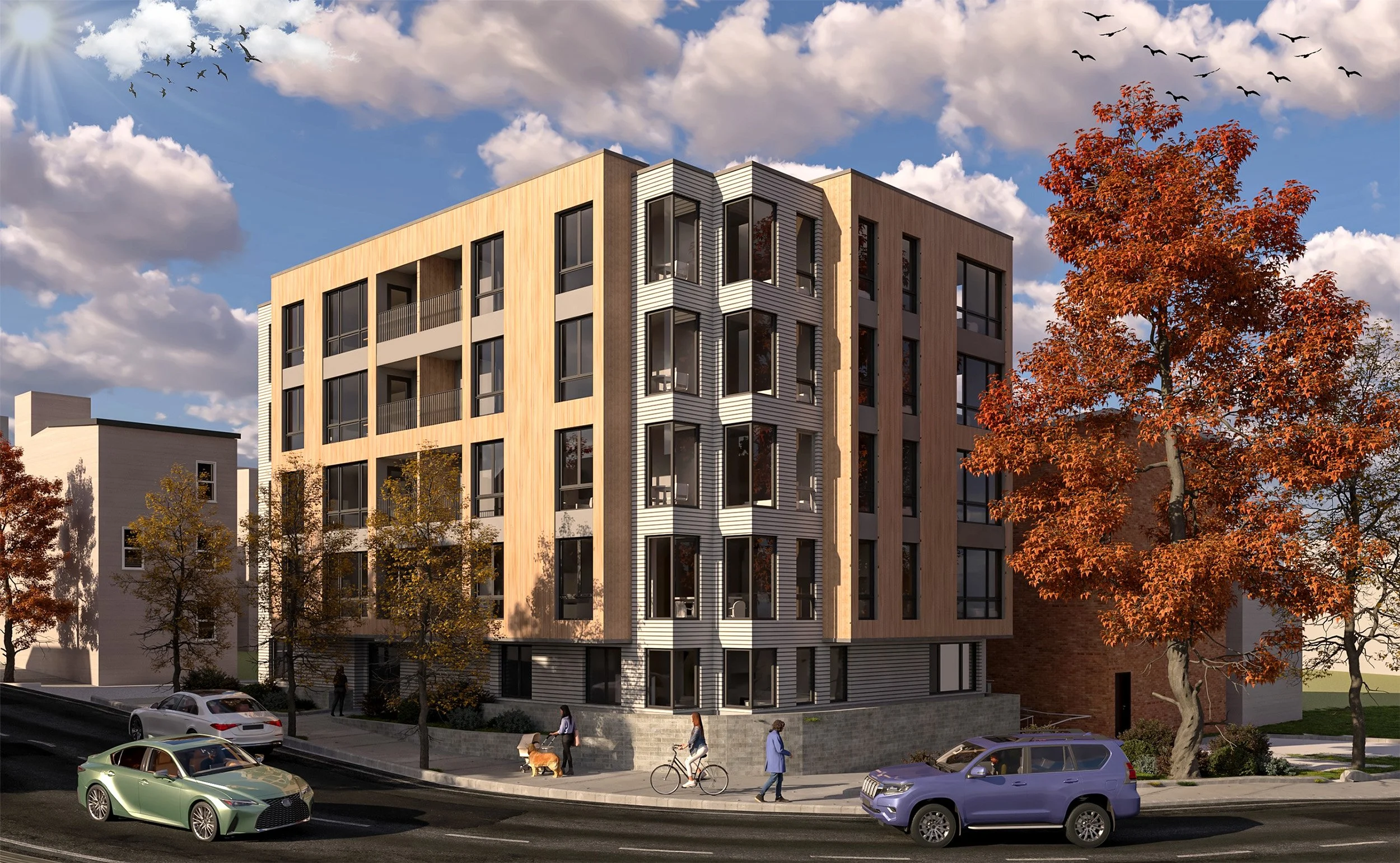
Multi-Family Housing Design plays a critical role in the success of today’s residential developments. As market competition increases and resident expectations evolve, developers must rely on thoughtful design to balance livability, efficiency, and long-term asset performance.
Effective Multi-Family Housing Design goes beyond aesthetics. It supports faster leasing, improves resident retention, and reduces operational and maintenance costs over time. When design decisions are made strategically and early, they become a powerful tool for protecting budgets, timelines, and return on investment.
Anderson Porter Design’s approach to Multi-Family Housing Design is collaborative, performance-driven process—one that aligns design vision with real-world development goals.
Multi-Family Housing Design — Key Questions Developers Ask
Multi-Family Housing Design is a critical driver of project success, influencing everything from feasibility and approvals to leasing performance and long-term asset value. As developments become more complex, developers are navigating a growing set of challenges around cost, compliance, and market differentiation.
The following questions highlight the key considerations shaping today’s Multi-Family Housing Design strategies and how thoughtful design decisions can support both operational efficiency and resident experience:
What is multi-family housing design?
Multi-Family Housing Design focuses on residential environments that serve multiple households, including apartments, mixed-use buildings, townhomes, and workforce housing.
This approach to Multi-Family Housing Design balances efficient private units with shared spaces, while prioritizing durability and long-term building performance.
What are today’s biggest challenges in multi-family projects?
Multi-family projects are shaped by rising construction costs, complex zoning requirements, and evolving compliance standards.
At the same time, developers must differentiate in competitive markets while designing for durability, maintenance, and long-term lifecycle performance. Early design decisions play a critical role in balancing these factors.
How does design impact leasing, retention, and long-term value?
Design directly influences how a property performs in the market.
Strong first impressions support leasing, while amenities and shared spaces enhance resident experience and retention. At the same time, efficient layouts and durable systems help reduce operational costs, strengthening long-term value.
Where Multi-Family Housing Design Creates Real Value for Developers
For developers, Multi-Family Housing Design directly impacts financial performance across the life of a project. From initial leasing to long-term operations, design decisions influence how a property functions, feels, and performs.
Well-executed Multi-Family Housing Design supports faster absorption by creating a strong first impression and a clear market identity. According to research from NAIOP, renters increasingly value thoughtful layouts, amenities, and living environments that add both functional and lifestyle value — and developers who address these preferences can improve attraction and retention outcomes.
Material and finish selections also play a major role. Durable, low-maintenance choices reduce long-term operational costs while maintaining visual appeal. When Multi-Family Housing Design is aligned with the target demographic and regional context, it helps developments stand out in competitive markets and maintain value over time.
What Sets Anderson Porter Design Apart in Multi-Family Housing Design
Proven Experience in Complex Residential Environments
Anderson Porter Design brings decades of experience designing environments where people, operations, and performance must align. In Multi-Family Housing Design, this expertise supports efficient unit layouts, functional amenity spaces, and scalable strategies that work across portfolios while responding to site-specific conditions.
Structured Stage-Gate Design Process
A hallmark of Anderson Porter Design’s approach to Multi-Family Housing Design is its Stage-Gate process—a phased methodology with clear milestones and checkpoints. This structure supports budget predictability, transparent communication, and early decision-making, helping to reduce redesigns, change orders, and schedule disruptions.
Outcome-Driven Decision Making
Rather than prioritizing aesthetics alone, Anderson Porter Design applies an outcome-focused framework to Multi-Family Housing Design. Design decisions are evaluated based on performance—maximizing rentable square footage, supporting efficient operations, and enhancing resident experience—so each choice contributes to measurable project value.
Cost Efficiency and Long-Term Asset Performance
Efficiency is embedded into every Multi-Family Housing Design project through thoughtful space planning, durable material selection, and lifecycle-aware strategies. This approach helps reduce long-term operating and maintenance costs while protecting asset value over time.
Speed, Coordination, and Predictable Delivery
Anderson Porter Design’s streamlined workflows and collaborative coordination support efficient design-to-construction timelines. For Multi-Family Housing Design projects, this focus on clarity and alignment helps developers move from concept to occupancy with confidence.
Resident-Centered Design
Effective Multi-Family Housing Design prioritizes the daily experience of residents. Anderson Porter Design creates welcoming, intuitive environments—from unit interiors to shared amenities—that foster comfort, community, and long-term retention.
Sustainability and Future-Ready Design
Sustainability is integrated into Anderson Porter Design’s Multi-Family Housing Design approach through energy-efficient systems, responsible material choices, and adaptable infrastructure. These strategies reduce operating costs and prepare developments for evolving regulations and market expectations.
Anderson Porter’s Process for Multi-Family Housing Design
Due Diligence & Programming
Every Multi-Family Housing Design project begins with thorough due diligence and programming. Anderson Porter Design works in parallel with consultants to evaluate site conditions, zoning, codes, and regulatory requirements while defining project goals, target residents, and operational needs. This phase establishes a clear understanding of constraints and opportunities, resulting in a preliminary program and layout that aligns with the developer’s business model and long-term objectives.
Multi-Family Housing Layout
During Layout, or Schematic Design, the program is translated into initial architectural concepts for the multi-family development. Anderson Porter Design collaborates closely with engineers and consultants to explore layout options, assess code compliance, and refine unit plans, circulation, and amenity spaces. Early coordination supports informed decision-making, preliminary pricing, and permitting strategies.
Multi-Family Housing Design Development
Design Development advances the selected concept with greater detail and coordination. Materials, finishes, building systems, and amenity features are carefully integrated, with a focus on durability, constructability, and cost alignment. For Multi-Family Housing Design projects, this phase ensures that design intent supports both resident experience and long-term operational performance.
Construction Documents
In the Construction Documents phase, all design decisions are finalized into comprehensive drawings and specifications suitable for bidding, permitting, and construction. Anderson Porter Design prepares detailed documentation and pricing packages to support accurate bids, regulatory approvals, and a smooth transition into construction.
Multi-Family Housing Construction Administration
Throughout construction, Anderson Porter Design provides ongoing support to help ensure the project is executed as intended. This includes responding to contractor inquiries, reviewing submittals, observing construction progress, and resolving issues as they arise—helping keep the multi-family project aligned with design, schedule, and quality expectations.
Start Building with Anderson Porter Design
Successful Multi-Family Housing Design requires more than visual appeal—it demands strategic thinking, collaboration, and a deep understanding of how residential environments perform over time. By aligning design decisions with developer goals, Anderson Porter Design helps create projects that lease efficiently, operate smoothly, and retain long-term value.
Whether planning a new development or refining an existing concept, engaging a design partner early can significantly impact outcomes. Anderson Porter Design brings a thoughtful, developer-focused approach to Multi-Family Housing Design that supports both resident experience and project performance.
To learn how a strategic approach to Multi-Family Housing Design can support your next development, connect with Anderson Porter Design to start the conversation.