
The Future of Senior Living Design: Balancing Care, Comfort, and Operations
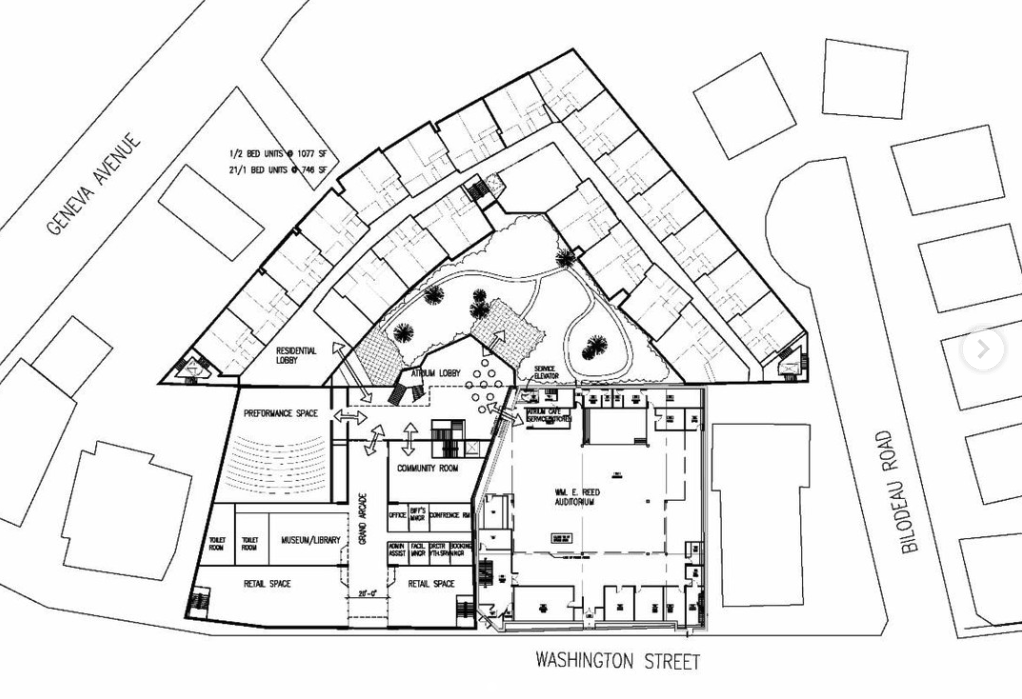
When planning a new senior living community or repurposing an existing one, understanding the level of care being provided is essential. Senior housing designs can range from independent living and assisted living to skilled nursing and life plan communities, each with its own operational and spatial requirements.
These facilities are inherently more complex than traditional residential or commercial developments. Design must balance residential comfort, healthcare considerations, and efficient day-to-day operations, all within a cohesive environment.
At Anderson Porter Design, shaping senior living communities begins with a focus on how spaces function. Layouts are developed to support care delivery, streamline staff workflows, and enhance the overall resident experience.
Care, Flow, and Daily Operations
Senior living communities don't run on aesthetics, they run on response times, reliable staffing patterns, and a layout that reduces friction across hundreds of routine moments every day. The most effective communities approach planning as an operational model first and a floor plan second—an approach reinforced by industry standards such as the FGI Guidelines, and regulatory frameworks from Center for Medicare & Medicaid Services,which emphasize aligning design with care delivery and operational requirements.
Strong assisted living design prioritizes adjacency and visibility. Resident rooms, staff work areas, dining spaces, and wellness nodes should connect in ways that minimize unnecessary travel while maintaining resident autonomy. These relationships directly impact both efficiency and quality of care.
Operational performance also depends on how well the environment supports technology. Clean device locations, intuitive reach ranges, and adaptable infrastructure ensure that call systems, monitoring, and communication tools integrate seamlessly into daily workflows.
Creating Comfortable, Resident-Centered Environments
Expectations for senior living have shifted. Residents and families expect spaces that feel residential, while operators require environments that perform at a clinical level. Assisted livingdesign must support both.
Design strategies focus on clarity and comfort. Natural light, intuitive layouts, and consistent material choices improve visibility and navigation. Clear wayfinding and spatial cues help residents move confidently, particularly in memory care settings.
Comfort also has a measurable impact. Lighting that supports circadian rhythm and controlled acoustics in shared spaces can improve engagement and reduce stress. These elements allowassisted living design to support long-term well-being.
Technology integration must remain intentional. Systems such as monitoring and telehealth should enhance operations without disrupting the residential feel of the environment.
Designing Within Today’s Senior Living Market
The current senior living market is shaped by constraints and shifting development patterns. At one end of the spectrum, low-income housing is often heavily subsidized through programs such as HUD, allowing projects to move forward with strict financial support. At the other end, high-end luxury communities are typically privately financed, serving a smaller segment of the market.
The largest segment sits in the middle. Many residents want to remain in their existing communities, yet rising construction costs often make new development difficult to justify. As a result, fewer ground-up projects are being built, and more operators are turning to repurposing existing facilities.
This shift has led to an increase in acquisitions and renovations. Older properties are being updated to meet current expectations, but many lack the amenities and performance standards of newer communities. This creates an opportunity to bring modern assisted living design strategies into existing buildings, improving both functionality and resident experience without requiring full redevelopment.
While much of the industry focuses on high-end design, the broader market is driven by these mid-tier communities. Strategic upgrades, improved layouts, and targeted amenity additions can significantly elevate existing properties.
Sustainability also plays a growing role across all segments. In high-end communities, this may include features such as rooftop greenhouses and controlled biophilic environments. In more cost-sensitive projects, energy retrofits and efficient systems offer practical ways to improve performance while managing operating costs.
Future-Proofing Senior Living Communities
Senior living environments must adapt over time. Changes in care delivery, staffing, and technology require flexible planning strategies that support long-term adaptability.
Modular layouts and multipurpose spaces allow communities to adjust services without significant renovation. Infrastructure should be designed to accommodate future systems, ensuring that new technologies can be integrated without disruption.
Resilience is also a key consideration. Design must support operations during staffing challenges, health events, and changing regulatory conditions. This includes efficient circulation, accessible support spaces, and infrastructure that maintains performance under pressure.
By prioritizing adaptability, assisted living design protects long-term performance and investment.
A Design-Led Approach to Senior Living
Senior living communities succeed when design supports both care and daily life. Assisted living design must balance operational efficiency, resident comfort, and flexibility within a single environment.
At Anderson Porter Design, this approach focuses on aligning space with care models, refining workflows through planning, and creating environments that enhance the resident experience—ensuring long-term value for both operators and residents.
To learn how a strategic approach to senior living design can support your next development,connect with Anderson Porter Design to start the conversation.