
The Building Is Performing. Are the Plants?
Controlled Environment Horticulture (CEH) facilities demand strict alignment between mechanical infrastructure, environmental control, and biological reality. Conventional building assessments measure human comfort, general energy consumption, and equipment lifespan. Those metrics fail to capture the environmental requirements of high-value crops such as commercial cannabis.
When I came into this industry in 2014, growers were using conventional, human-centric tools to monitor their grow environments. I have seen a humidistat, thermostat, and if they were lucky, a hand-held light meter. These instruments were separate and did not talk to each other. There was no internet of things (IoT).
As Wolfgang F.E. Preiser, Harvey Z. Rabinowitz, and Edward T. White establish in “Post-Occupancy Evaluation” (1988), post-occupancy evaluation frameworks were developed to assess built environments through technical, functional, and behavioral performance criteria. While this is a seminal work, it was written for architects to evaluate buildings for people and not for plants. In cultivation environments, that foundation requires a more precise application. By introducing the Plant-Centric POE, operations establish a direct link between mechanical performance, environmental stability, and agricultural output.
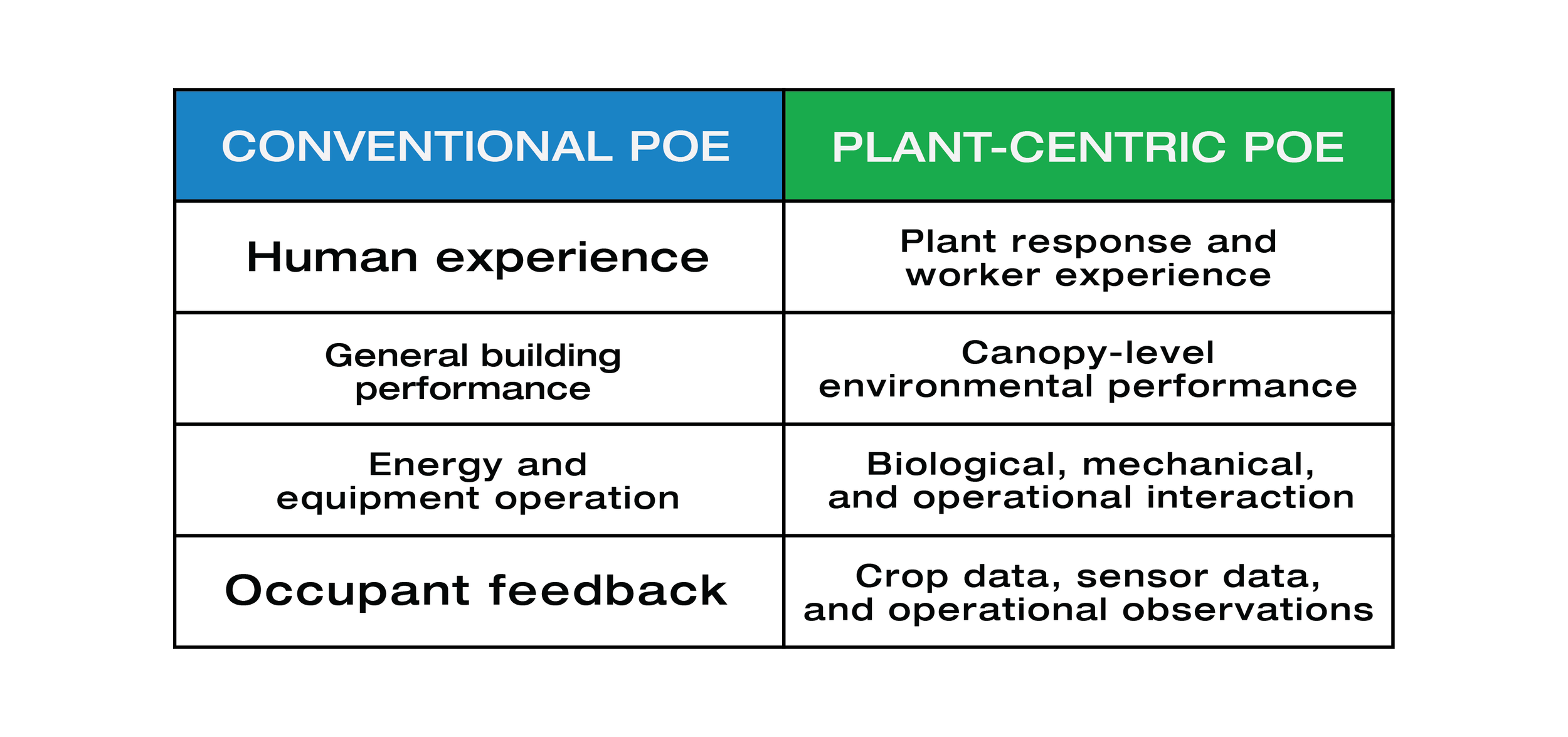
Today, in grow environments, we have tools like TrolMaster and GrowLink that connect to dashboards and BMS. These are huge improvements over the old days.
While reviewing a customer’s facility this year, our team discovered that the sensors hung in the center of the room were covered in an oily film. The cultivator’s response was, “Oh yeah, that was when the previous team sprayed the room with an [insert chemical], and they clearly never cleaned it off.” The sensors weren’t working and were giving out improper data. The sensors are only as good as the data they collect and need to be recalibrated or replaced to maintain accuracy.
A Plant-Centric POE evaluates the facility through more narrowly defined criteria, such as the biological response of the crop and operational flow. This structural evolution addresses the critical gaps left by standard engineering assessments and measurement tools. By focusing on plantmetrics and layout efficiencies, this evaluation framework enables environmental precision and long-term profitability. The facility must serve the crop.
Facility Design = Plant Biology + A&E
A Plant-Centric POE bridges the divide between facilities engineering teams, architects, and master cultivators. It creates a unified operational language that connects mechanical systems and operational flow directly to crop performance.
Evaluators map three-dimensional climate grids across the active canopy to verify the actual conditions experienced by the plants. This methodology links multiple variables of plant conditions to understand crop stress and total outputs. Evaluators are also looking at overall facility adjacencies, storage capacity, and physical steps needed to do work. Mechanical equipment has to be calibrated correctly and operating properly to optimize plant level production. This can be a tricky process, as we mentioned earlier, because sensors can get fouled up and not give you an accurate view. Human error can occur when dials are adjusted and those changes are not recorded.
CEH and cannabis cultivation facilities are factories. You can grow successful plants if your room is tightly sealed, the equipment is sized to support the correct number of plants, and your data collection tools are working properly. Like any factory, these facilities must also balance worker and flow efficiency with plant health.
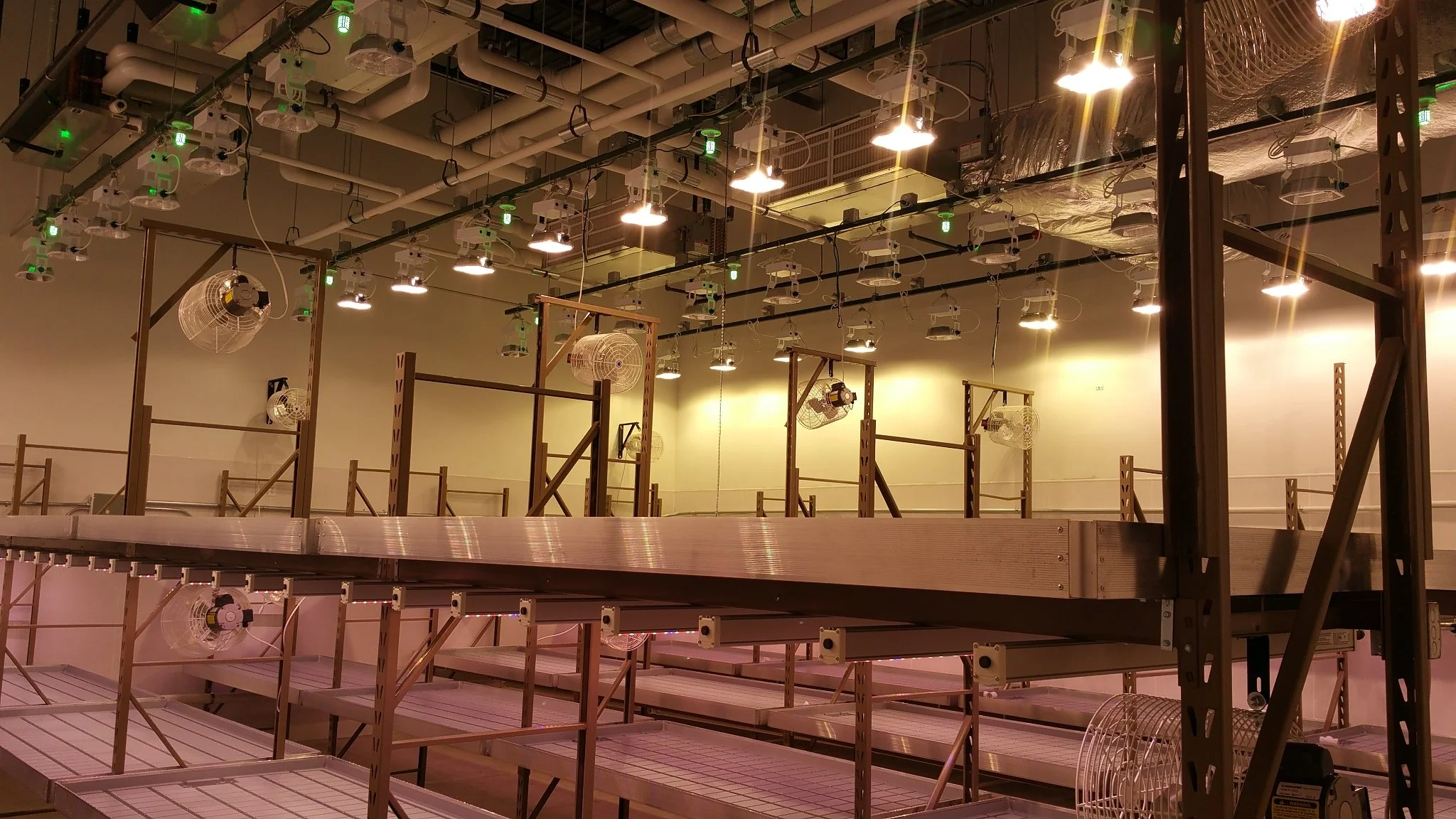
An empty multi-tier cultivation room shows how lighting and air movement are arranged around the future plant canopy.
Redefining Operational Metrics
A Plant-Centric POE brings together architects, horticulture specialists, and engineers to look at systems affecting plants in a very narrow but interdisciplinary manner. One important factor is data collection and analysis.
The level of precision that you get from a team of plant specialists replaces these broad engineering assumptions with precise biological indicators. Evaluators track specific, localized variables that dictate the physiological success of the crop and the workflows that enable post-harvest efficiency.
Vapor Pressure Deficit maintains precise moisture gradients to ensure proper plant transpiration, maximum nutrient uptake, and continuous stomatal function. Leaf Surface Temperature monitoring prevents thermal stress, avoids metabolic slowdowns, and protects valuable biochemical profiles. Airflow Velocity verification removes stagnant microclimates, replenishes necessary carbon dioxide, and prevents localized pathogen outbreaks. Photoperiod Precision assessment guarantees reliable vegetative growth, accurate flowering triggers, and edge-to-edge canopy consistency.
By overlapping building science, cultivation analytics, and system diagnostics, this framework enables mechanical infrastructure to meet strict agricultural demands. Biology dictates the baseline.
Securing Yield Consistency and Operational Efficiency, Pre- and Post-Harvest
Operational success of a cannabis facility encompasses many functional areas beyond the plant. A Plant-Centric POE shifts the focus from utility reduction as a primary goal to optimize all interactions between people, plants, and infrastructure. Examples of what may be evaluated in a Plant-Centric POE include the following: water activity in a dry room or PPFD in a flower room; workers’ ability to clean equipment and water quality in the fertigation room; and cleaning protocols.
Future-Proofing the Cultivation Facility
Capital-intensive facilities must perform with the reliability of advanced manufacturing plants. Successful practices evolve, requiring infrastructure that supports continuous optimization, future facility expansions, and scalable operational protocols. A Plant-Centric POE generates the extensive data sets required to inform future design decisions.
By conducting investigative and diagnostic evaluations over multiple crop cycles and post-harvest activities, operators establish design norms and find weaknesses. This feedback loop identifies the exact environmental variables driving peak performance, allowing commercial operators to replicate success across their organization. Advanced planning prevents costly retrofits.
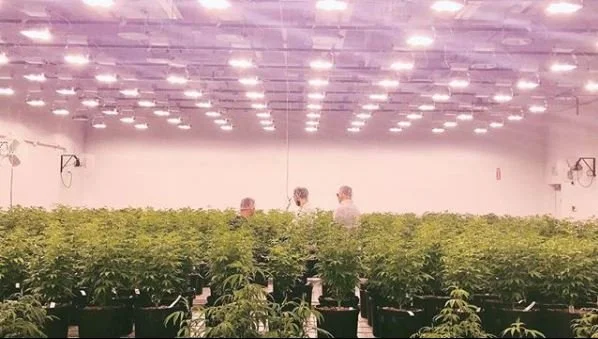
A successful cultivation facility supports both crop performance and the people responsible for it.
Leading the Evolution of Controlled Environment Horticulture
The commercial horticulture industry demands increasing operational sophistication, precise engineering controls, and data-driven management. Cultivators utilizing fragmented design assumptions face declining margins, inconsistent yields, and escalating production costs. Developing and deploying the Plant-Centric POE establishes a new operational standard for the entire sector.
This framework will provide facility directors, master growers, and investors with a definitive method for evaluating and optimizing commercial cultivation assets. Implementing a rigorous evaluation of current environmental stability can reveal flaws (or successes) in conventional engineering assumptions and provides a clear roadmap for mechanical correction, if needed. Operations that adopt this advanced evaluation framework secure a definitive competitive advantage.
To maximize asset utilization and secure market leadership, facilities must adopt methodologies tailored directly to the metabolic requirements of their most important occupants. Initiate a Plant-Centric POE to align building infrastructure directly with biological necessity and eliminate systemic inefficiencies.